






Outstanding Advantages of Steel Compared to Concrete in Modern Construction
Lighter foundations, faster and more precise erection, long column-free spans and lower embodied carbon: why steel often beats concrete in modern buildings.
In this article
In today’s construction industry, steel structure solutions are increasingly favored for their superior technical performance, construction efficiency, and sustainability. Below are the key advantages of steel over concrete in modern building design and construction.
1. Lightweight Structure – Reduced Foundation Costs
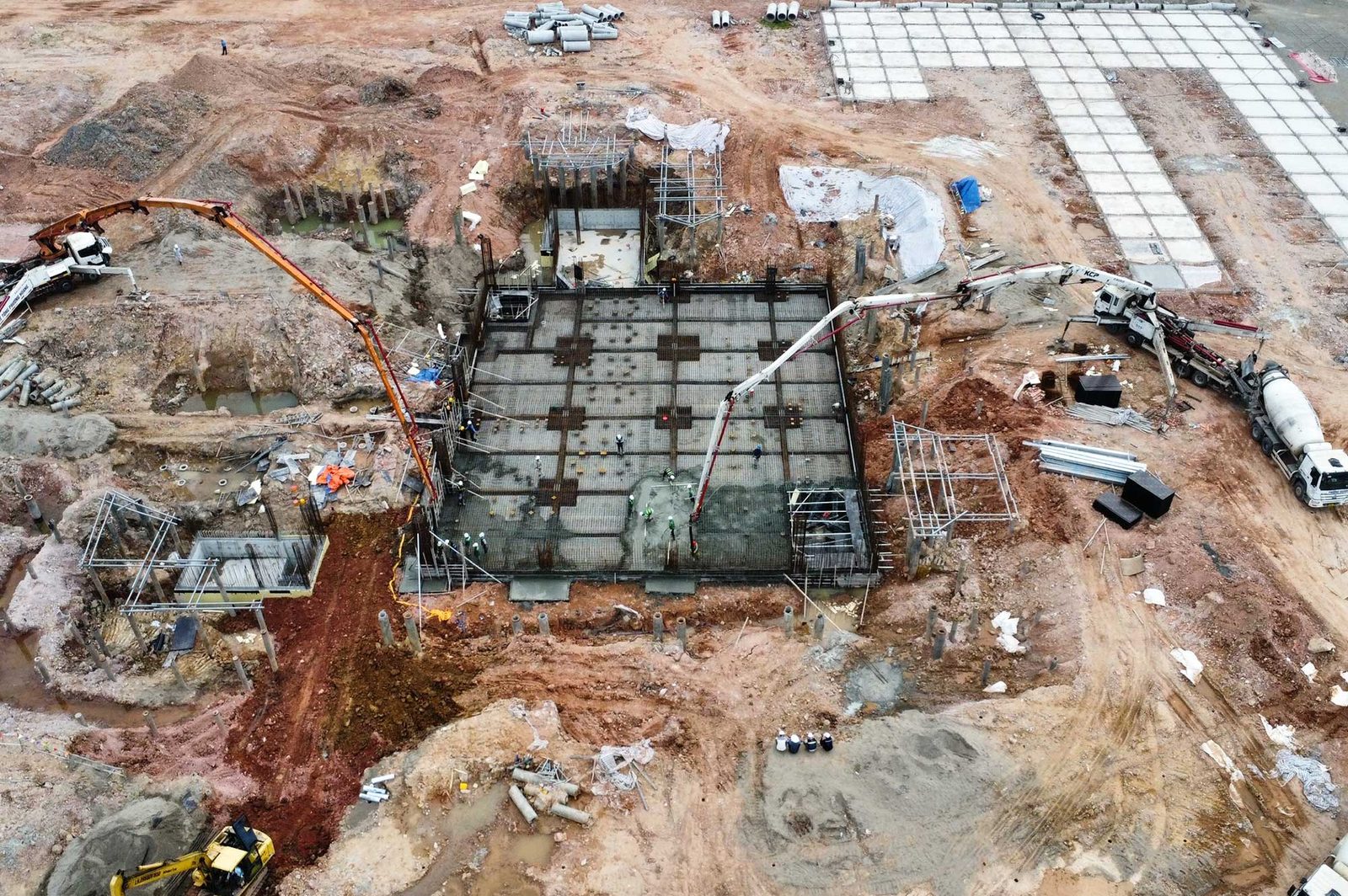
Steel structures are significantly lighter than equivalent concrete systems. This reduced weight lowers the loads transmitted to the foundation, allowing for smaller and more economical foundations.
This is especially beneficial in urban areas or sites with poor soil conditions, where foundation requirements are critical. Steel construction helps minimize foundation costs and shorten the substructure schedule, providing both time and cost savings.
2. Fast Installation – High Precision
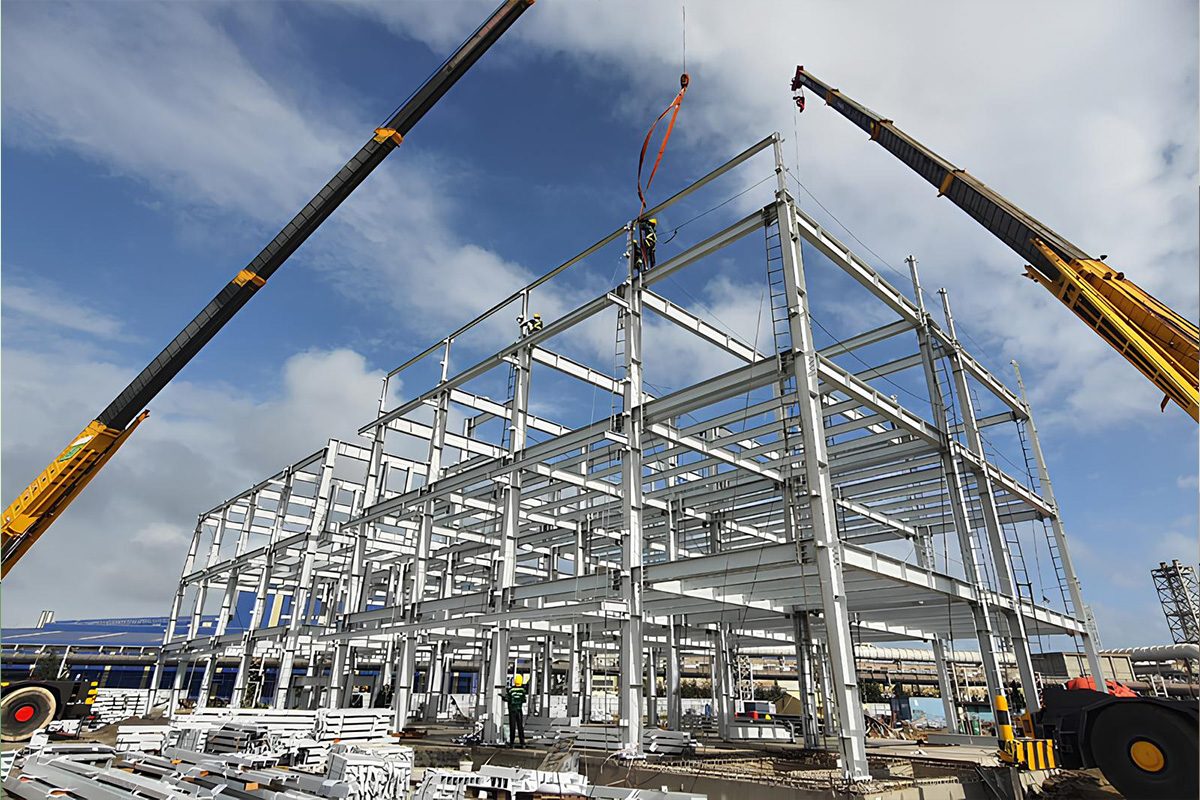
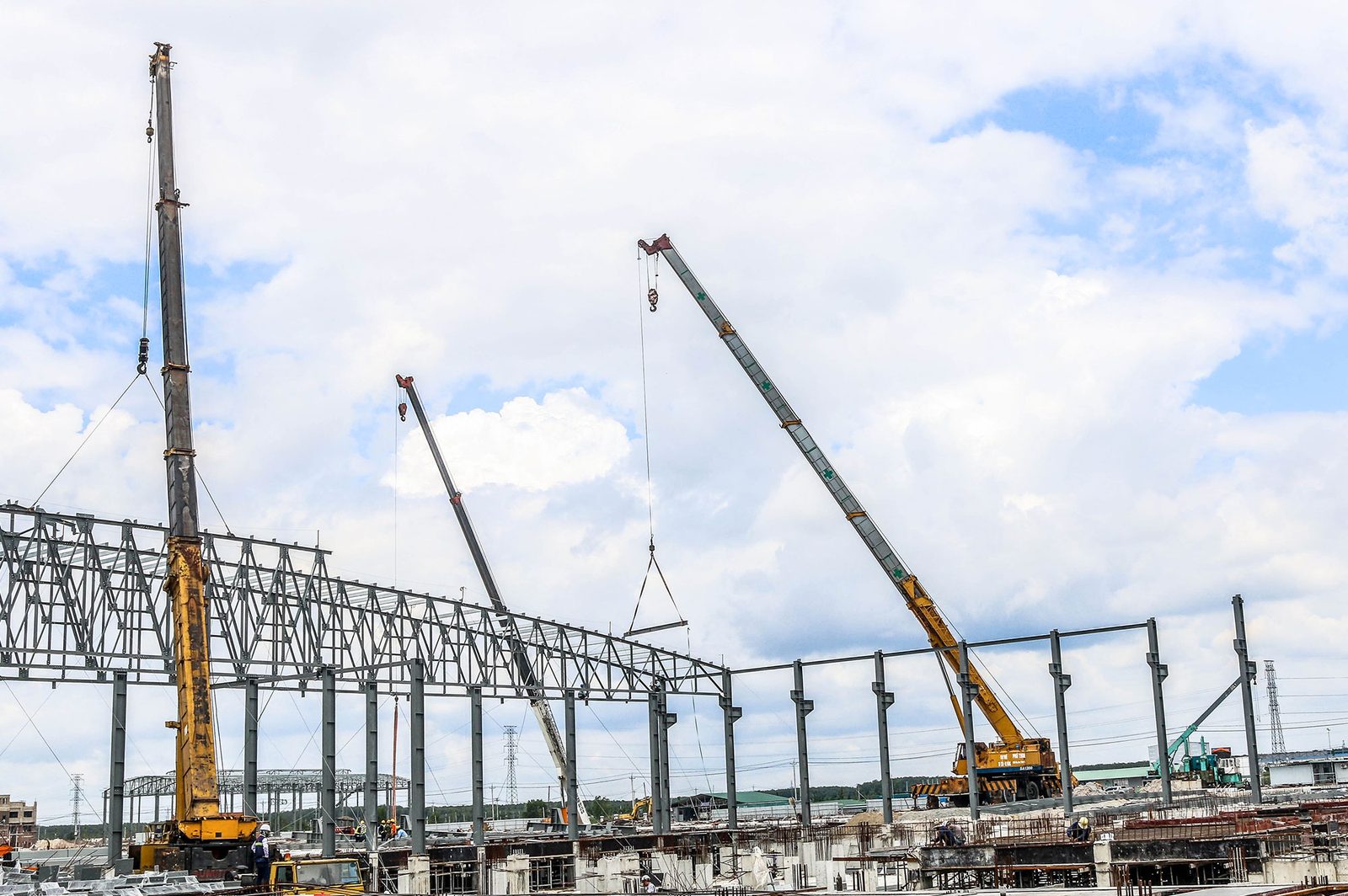
One of the major advantages of pre-engineered steel buildings is the ability to fabricate components off-site with exceptional precision. All structural elements are cut, welded, and painted in the factory according to detailed engineering drawings before delivery to the construction site.
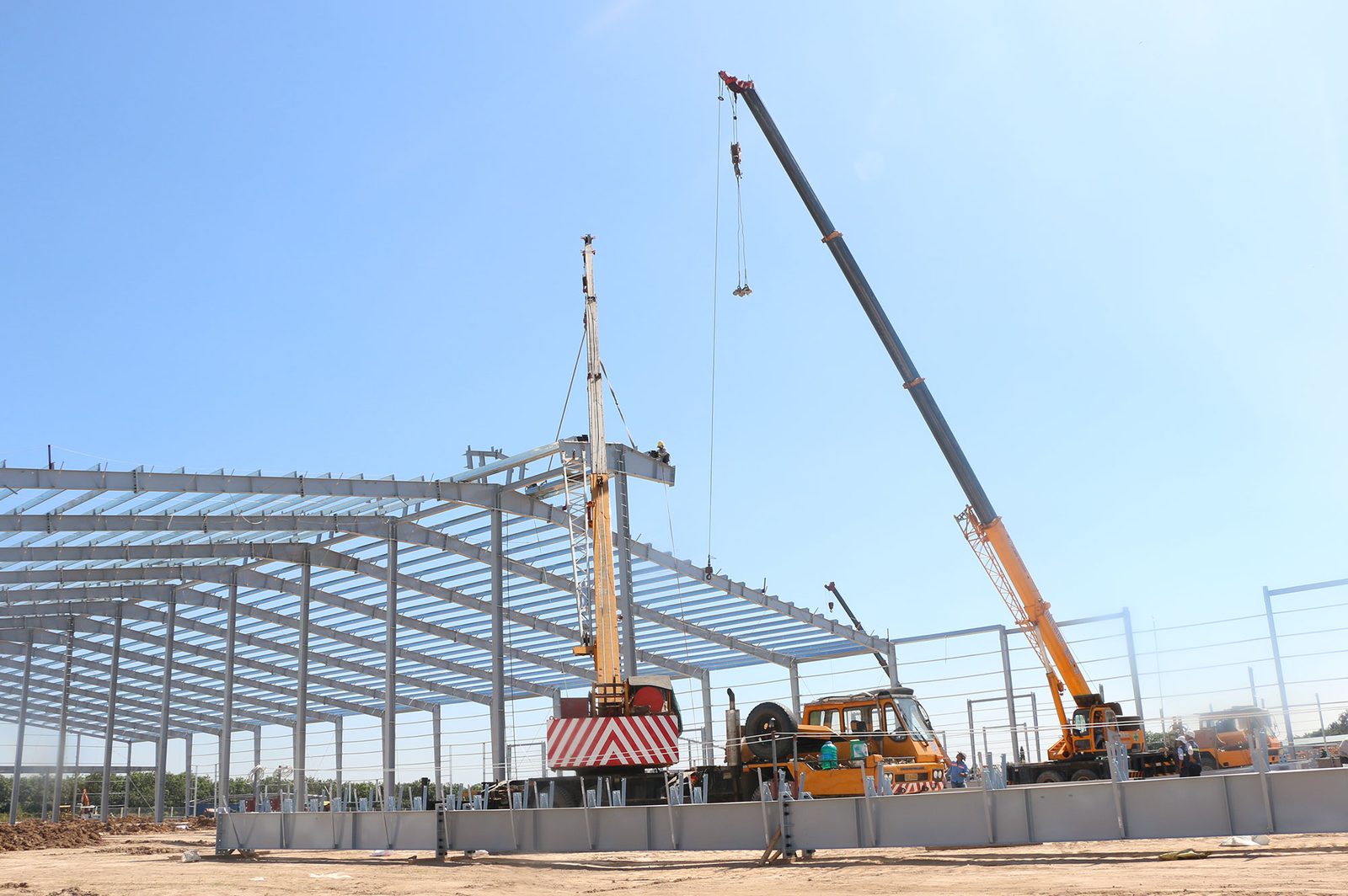
During erection, these components are simply bolted or welded together, allowing for quick, safe, and highly accurate assembly. As a result, on-site construction time is greatly reduced, minimizing weather risks and ensuring better project control.
3. Maximum Flexibility in Design
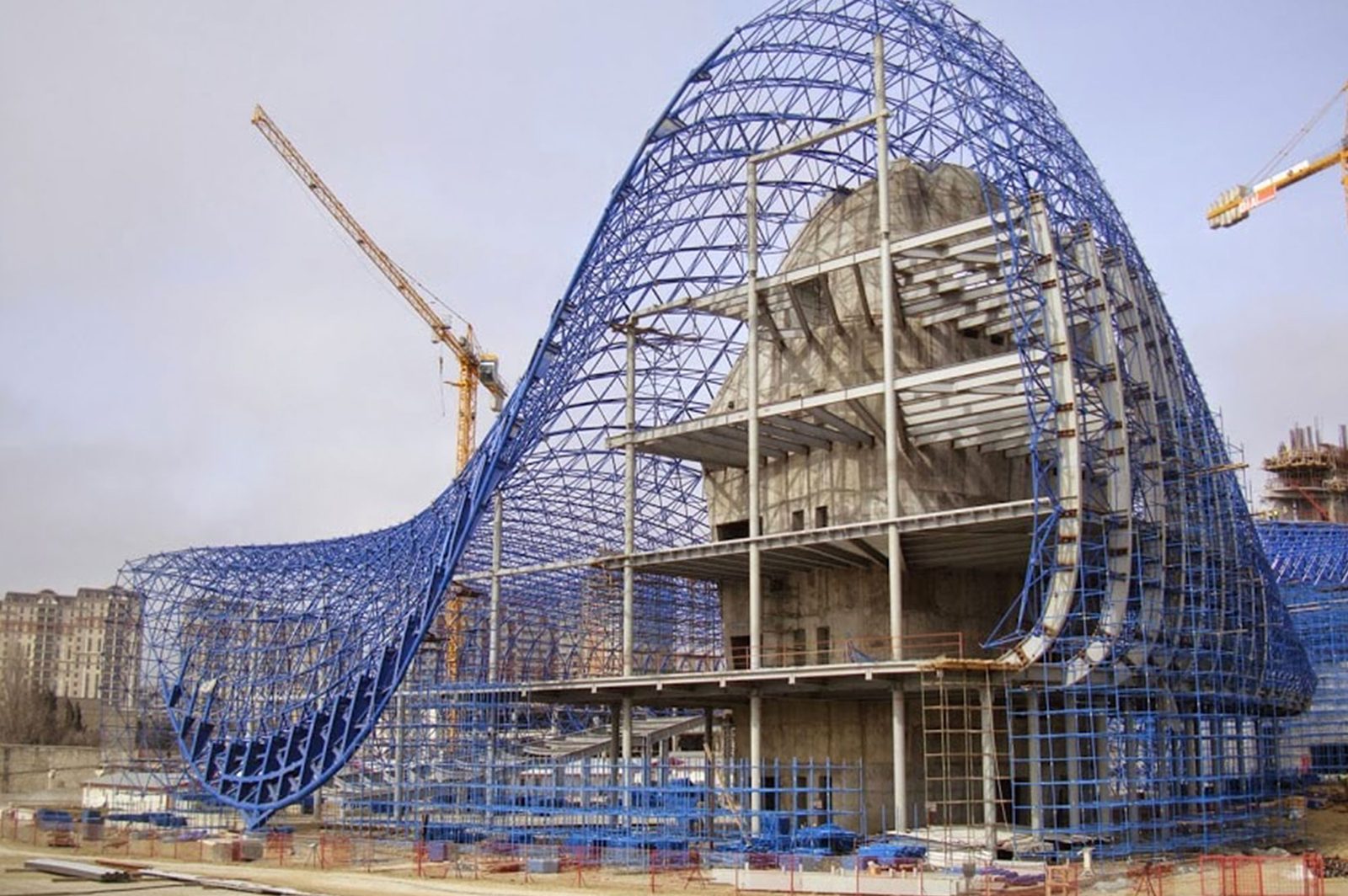
Steel structures allow the creation of column-free floor spaces with long spans ranging from 15 to 18 meters, ideal for office buildings, commercial centers, warehouses, and logistics facilities.
This feature enhances space flexibility, allowing for easier interior layouts and greater long-term adaptability. In addition, steel frames can be expanded or modified in the future without affecting the main structure, ensuring higher functional efficiency and asset value.
4. Material Efficiency and Low Carbon Footprint
Modern steel design focuses on material optimization to minimize waste and reduce embodied carbon emissions during production and construction.
Engineers can utilize cellular beams or long-span members to achieve lightweight yet strong structural systems. Moreover, structural steel is recyclable and reusable, making it a key material in sustainable and eco-friendly construction.
Conclusion
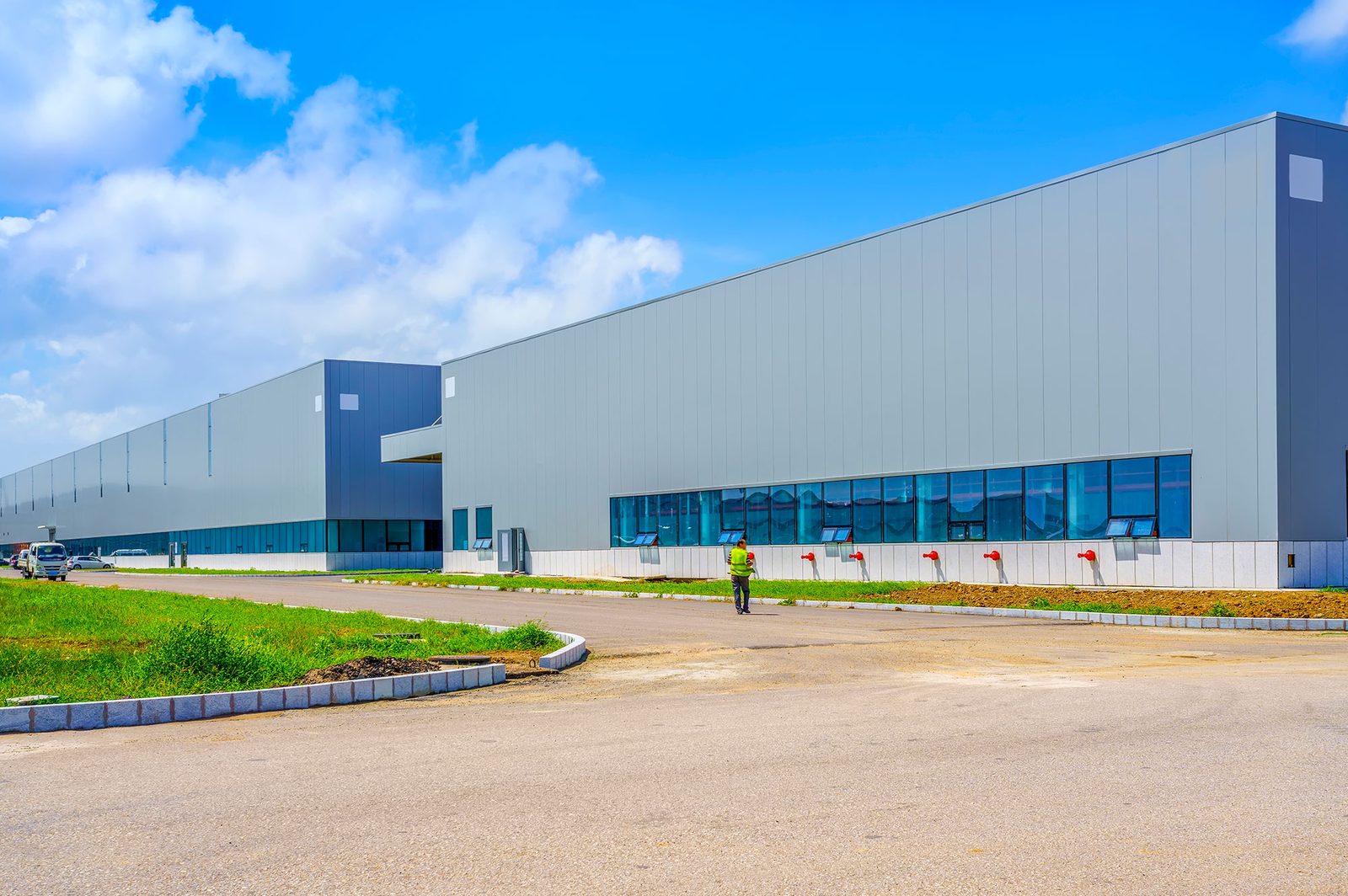
With its advantages in lightweight construction, speed, flexibility, and material efficiency, structural steel has become a leading solution in modern building design.
Steel structures not only deliver durability and precision but also provide outstanding economic and environmental value, aligning perfectly with the global trend toward green and sustainable construction.